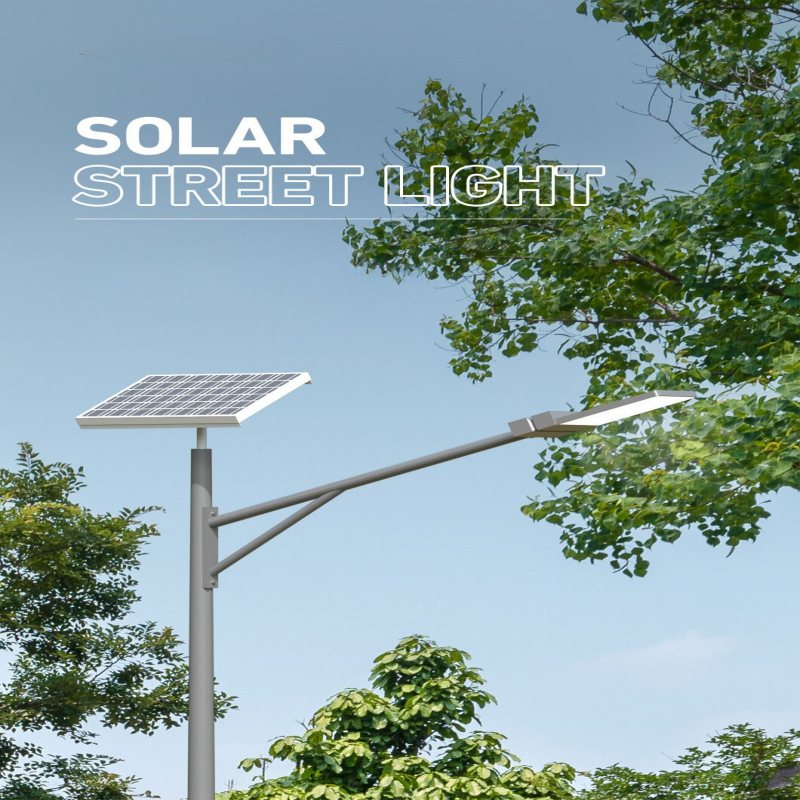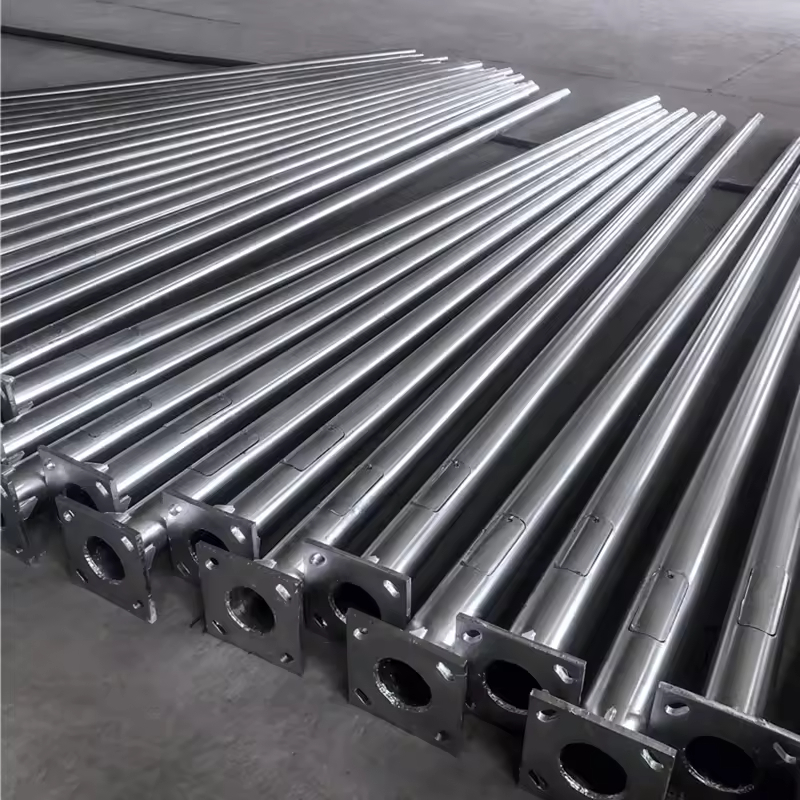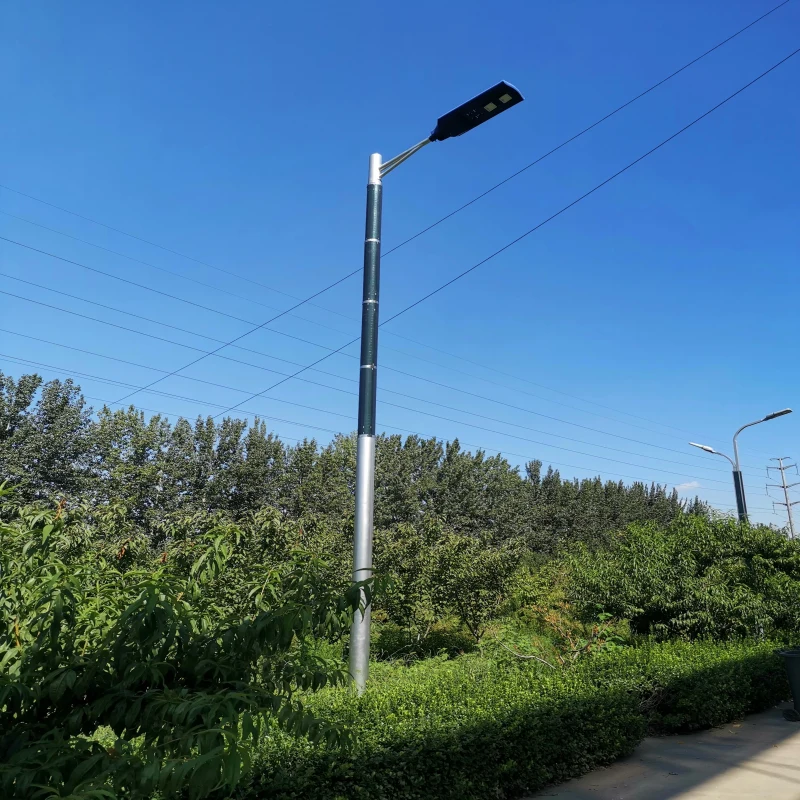
Hot-dip galvanized light poles are a common infrastructure used for lighting urban roads, squares, parks, and factory areas. Their most significant characteristic is the corrosion protection achieved through the hot-dip galvanizing process, which significantly improves the pole's durability and lifespan. This process combines structural strength with protective performance, making it one of the most widely used types of light poles in modern outdoor lighting projects.
I. Hot-dip Galvanizing Process Principle Hot-dip galvanizing involves immersing a rust-removed steel light pole in molten zinc at approximately 450°C. This causes a chemical reaction between the steel surface and the zinc layer, forming a dense alloy layer bonded to the pure zinc layer. This bond is not only strong but also has a self-healing function. When the zinc layer surface is slightly damaged, the surrounding zinc will still protect the steel substrate from corrosion through electrochemical action. Compared to methods such as zinc spraying or cold galvanizing, hot-dip galvanizing offers stronger protection and a longer lifespan.
II. Performance and Advantages The main advantages of hot-dip galvanized light poles include:
Excellent corrosion resistance: In harsh outdoor environments, the galvanized layer effectively resists corrosive media such as rain, moisture, and salt spray, with a service life typically exceeding 20 years.
High mechanical strength: Made of high-quality Q235 or Q345 steel, after bending, welding, and hot-dip galvanizing, the overall structure is stable and has strong wind resistance.
Low maintenance costs: Due to the excellent surface protection, almost no additional rust prevention or painting maintenance is required, reducing long-term operating costs.
Neat and beautiful appearance: The galvanized surface is bright silver-white and can be powder-coated or painted as needed, harmonizing with the urban landscape.
III. Application Areas and Development Trends Hot-dip galvanized light poles are widely used in road lighting, landscaping, airports, docks, industrial parks, and other locations. In urban infrastructure construction, they not only fulfill the function of lighting but also reflect the comprehensive requirements of safety and aesthetics. With the development of smart cities, many hot-dip galvanized light poles have been integrated with 5G communication, monitoring systems, charging piles, and other modules, evolving into "multi-functional smart light poles" that integrate lighting and information transmission.
IV. Quality and Standard Requirements High-quality hot-dip galvanized light poles should comply with national standards such as GB/T 13912-2020 Metallic Coatings - Technical Requirements for Hot-Dip Galvanized Coatings of Steel Products. During production, the thickness of the galvanized layer must be strictly controlled (generally not less than 85μm) to ensure a smooth surface, no incomplete galvanizing, and no zinc nodules. Furthermore, welds should be flat and firm, and the straightness error of the pole should be controlled within the allowable range to ensure structural safety and performance.
Conclusion Overall, hot-dip galvanized light poles, with their excellent corrosion resistance, mechanical strength, and economy, have become the preferred product for modern lighting projects. With continuous improvements in manufacturing processes and the increasing demand for intelligent solutions, the functions and forms of hot-dip galvanized light poles will become more diversified, providing solid support for urban lighting and smart infrastructure construction. We are a professional manufacturer of hot-dip galvanized light poles; please feel free to contact us if needed.