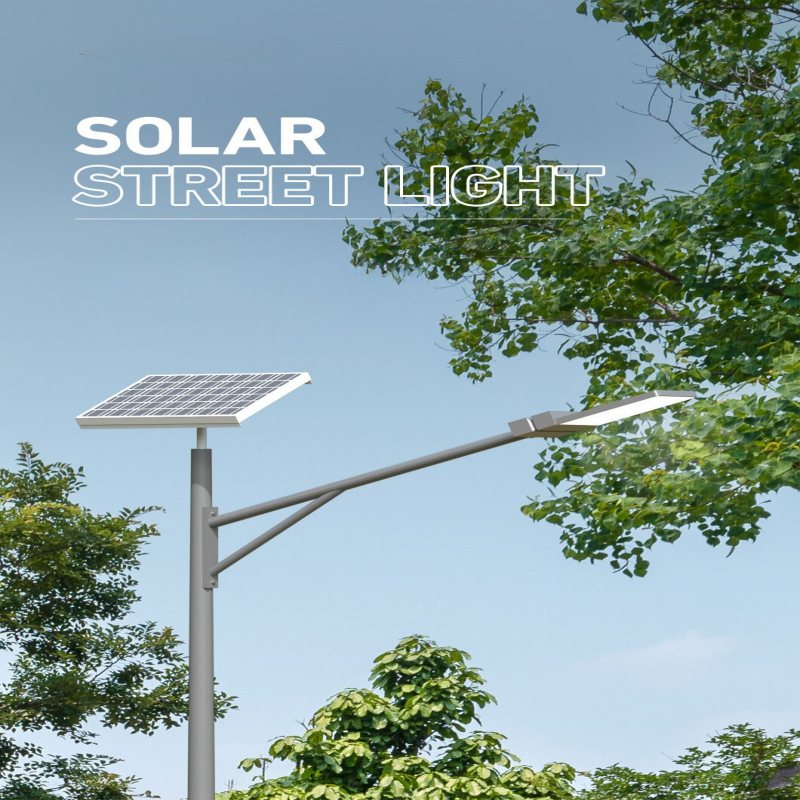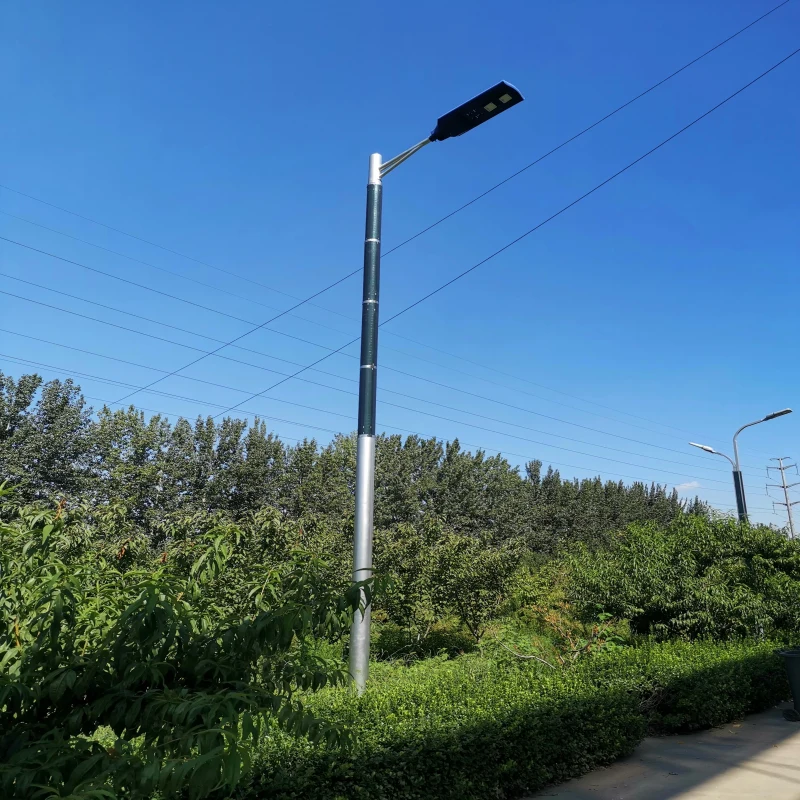
With the rapid development of the solar street light industry, the market is now filled with a wide variety of products and specifications. Power ratings and brightness claims often look impressive on paper, which can easily confuse customers during the selection process.
As a professional and experienced solar street light manufacturer, we believe that choosing the right solution is far more important than simply choosing the highest power rating.
Below are the key factors customers should consider when selecting a solar street light.
1. Power selection should be based on installation height and real lighting requirements
One of the most common misunderstandings in solar street light selection is the assumption that “higher power is always better.”
In reality, the required power of a solar street light is primarily determined by the installation height, road width, lighting area, and application scenario, rather than by blindly pursuing higher wattage.
It is also important to understand that the battery is the most expensive component in a solar street light system. A higher power output requires a larger battery capacity, as well as a higher-power solar panel, which significantly increases the overall system cost.
Therefore, under a limited budget, blindly choosing a high-power configuration often leads to poor cost-performance. The most practical approach is to design a balanced system that matches the lamp power, battery capacity, and solar panel power according to actual project requirements, ensuring optimal lighting performance while maintaining cost efficiency.
2. Be cautious of exaggerated power ratings and misleading market claims
In today’s highly competitive market, some suppliers—especially trading companies without sufficient technical knowledge—tend to exaggerate product power ratings in order to win orders.
It is not uncommon to see products advertised as 500W, 800W, or even 1000W solar street lights. In most cases, these numbers do not represent the real electrical output power. Instead, they simply refer to the number of LED chips used (for example, 500 or 1000 LED beads), which has little to do with the actual operating power of the lamp.
In practice, the real output power of such products may be only 20W–30W, and their actual brightness corresponds to that level as well. These so-called “ultra-high power” claims are essentially marketing gimmicks rather than genuine performance indicators.
3. The real output power of a solar street light is determined by the entire system design
From a professional and technical perspective, there is no such thing as a standalone power rating for a solar street light. The actual output power and performance of the system depend on a combination of factors, including:
Battery capacity (energy storage capability)
Actual working power of the LED light source (not the number of LED chips)
Solar panel power and charging efficiency
Local sunlight conditions, required lighting hours, and consecutive cloudy or rainy days
Only by carefully evaluating these factors and designing a well-matched combination of light source, battery, and solar panel can a solar street light system deliver stable lighting performance, long service life, and reliable operation.
This is why truly professional manufacturers focus on project-based system design and technical calculations, rather than simply promoting higher wattage figures.
4. Conclusion: Rational selection ensures long-term performance and reliability
Solar street lights are long-term infrastructure products. Their true value lies not in exaggerated specifications, but in stability, durability, safety, and overall cost effectiveness.
Choosing a solar street light solution that genuinely matches your application requirements will not only optimize initial investment costs, but also ensure consistent lighting performance and extended service life in the long run.
As a professional solar street light manufacturer, we are committed to providing scientifically designed, reliable, and sustainable lighting solutions, rather than competing through unrealistic power claims.